
EU imports of Russian phosphate rock hit 10-year high
STOCKHOLM, Oct. 27, 2026 (GLOBE NEWSWIRE) -- EU imports of Russian phosphate rock reached 170 million euros in the first nine months of 2026, up 17% from the same period last year, according to an analysis of European Commission data by Swedish environmental company Ragn-Sells. Such levels have not been recorded since 2016.
“Phosphorus is essential for our food security. Yet more than a third of EU spending on phosphate rock imports goes to Russia. Europe cannot afford to rely on imports for a key nutrient when it has the technology to recover phosphorus from wastewater at home”, says Pär Larshans, Chief Sustainability Officer at Ragn-Sells Group.
Russia accounted for 38% of the total value of EU phosphate rock imports, making it the EU’s largest supplier during the period. Morocco was second at 137 million euros, followed by South Africa at 48 million. Imports from Russia rose 17% in value compared to last year, reaching their highest January–September level since 2016.
“Since Russia’s full-scale invasion of Ukraine in 2022, the value of EU imports of Russian phosphate rock has increased rather than declined. That is a striking development at a time when Europe is trying to reduce its dependence on imported critical raw materials”, says Pär Larshans.
Phosphorus is a key nutrient in both mineral fertilisers and animal feed and is listed by the European Union as a Critical Raw Material. Almost all phosphorus used in European agriculture is imported, as the EU’s only active phosphate mine, located in Finland, supplies less than 10% of agricultural demand.
Modern technologies, such as Ash2Phos from Ragn-Sells subsidiary EasyMining, can recover high-purity phosphorus from sewage sludge ash. The first large-scale Ash2Phos plant is now being built in Schkopau, Germany. However, EU rules currently prevent recycled phosphorus from wastewater from being used in animal feed, counteracting investment and scale-up.
”Europe has the technology to turn phosphorus from wastewater into a valuable raw material. What is missing is a regulatory framework that allows circular phosphorus to compete on equal terms with mined phosphorus. Changing that would be an easy way for Europe to strengthen its self-sufficiency and reduce its dependence on Russia”, says Jonas Hagman, CEO of EasyMining.
For further comment:
Press Officer, Ragn-Sells, +46 70 927 2400, press@ragnsells.com
A photo accompanying this announcement is available at https://www.globenewswire.com/NewsRoom/AttachmentNg/904d4a10-a7d9-4e34-8f91-068b67be760e


Phosphorus fertiliser
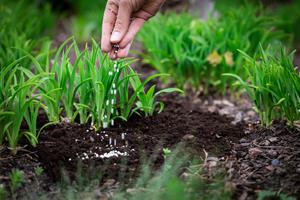
Spreading phosphorus fertiliser
Legal Disclaimer:
EIN Presswire provides this news content "as is" without warranty of any kind. We do not accept any responsibility or liability for the accuracy, content, images, videos, licenses, completeness, legality, or reliability of the information contained in this article. If you have any complaints or copyright issues related to this article, kindly contact the author above.
