
Optimizing Light Transmission: Advice from a High Quality Tempered Greenhouse Glass Supplier In China
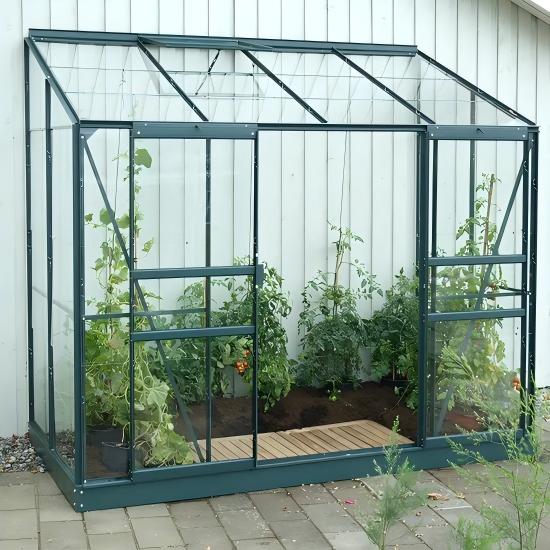
QINHUANGDAO, HEBEI, CHINA, January 8, 2026 /EINPresswire.com/ -- As sustainable agriculture expands and controlledenvironment farming becomes more widespread, the role of greenhouse glazing materials in crop productivity has gained renewed attention. Light transmission—the proportion of solar radiation that passes through a glazing material—is a critical factor influencing plant growth, energy use, and overall greenhouse performance. Selecting the right tempered greenhouse glass is therefore fundamental, and insights from a High Quality Tempered Greenhouse Glass Supplier In China can help agricultural developers and greenhouse manufacturers make informed decisions that balance optical efficiency with durability and safety.
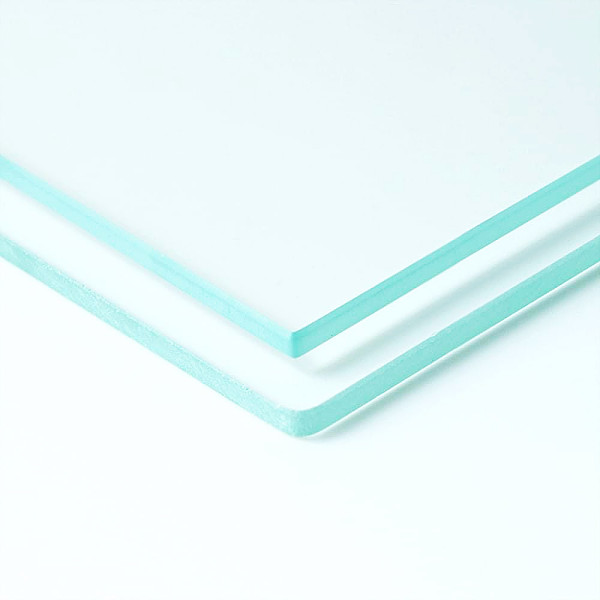
Tempered greenhouse glass undergoes a specialized heat treatment process that significantly enhances its mechanical strength and thermal resistance compared to untreated glass. When used in greenhouse roofs and walls, this tempered glass allows high levels of sunlight to enter the structure while resisting wind loads, thermal stress, and accidental impact. In addition, its safety properties—breaking into small blunt fragments rather than sharp shards—support both worker safety and longterm operation in commercial agricultural settings.
Light Transmission and Its Importance in Modern Agriculture
Sunlight provides the energy plants require for photosynthesis. In greenhouse cultivation, maximizing usable light without causing heat stress is essential for consistent yields and plant health. Light transmission varies with glass thickness, surface finish, and processing techniques. For greenhouse designers and growers, selecting glazing that balances high transmission with structural performance can influence crop cycle, temperature control, and energy consumption.
Glass with higher light transmittance can reduce the need for supplemental lighting, thereby saving energy costs and aligning with sustainability goals. However, not all transparent materials perform equally. Factors such as internal stress from tempering, surface reflectivity, and glass purity can affect how light disperses inside the greenhouse. A clear understanding of these variables assists project planners in specifying the appropriate glass type for their unique operational objectives.
Choosing Appropriate Glass Thickness for Optimal Performance
Tempered greenhouse glass is available in various thicknesses to match structural and environmental demands. Two commonly used options include 3mm and 4mm toughened glass, each offering distinct advantages in greenhouse applications.
3mm toughened glass is frequently specified for aluminum greenhouse frames and garden house panels where maximizing light penetration is a priority. Its reduced thickness allows a higher proportion of visible light to pass through, benefiting crops with high light requirements. This type of glass is particularly suitable for smaller greenhouse structures, urban agricultural installations, and modular systems where weight and ease of assembly are considerations.
In contrast, 4mm toughened glass offers increased rigidity and resistance to wind or snow loads, making it wellsuited for larger greenhouse installations or locations subject to harsher weather conditions. While slightly thicker, 4mm glass still provides excellent light transmission characteristics, supporting healthy plant growth while improving longterm durability.
In addition to these tempered products, horticultural glass is another option used in specific greenhouse configurations. Typically supplied in 3mm thickness, horticultural glass is designed to moderate light diffusion, reducing hotspots and uneven illumination. This can be beneficial in operations focusing on delicate crops or where light management is integral to plant development strategies.
Practical Considerations in Glazing Selection
Maximizing light transmission without compromising structural safety requires careful evaluation of several design and material factors. Southernfacing greenhouse roofs, for example, benefit from glass with high optical clarity and minimal distortion. Tempered glass with uniform surface quality ensures that transmitted light maintains its spectral composition, reducing the risk of shadowing and hotspots that can stress plants.
Edge processing and fit within framing systems also influence overall performance. Neat, wellfinished edges allow panels to sit securely within aluminum frames, reducing air gaps that can allow heat loss. Combined with appropriate sealing systems, tempered glass panels help maintain stable internal temperatures, which further supports energy efficiency and plant health.
LYD GLASS: Product Capabilities and Location Advantage
LYD GLASS operates in the coastal city of Qinhuangdao in northern China, a region with a long history in glass production. The company benefits from proximity to Qinhuangdao Port and easy access to Tianjin Port, offering convenient and prompt transportation solutions for international business, which helps reduce logistics costs for overseas greenhouse projects.
Within its greenhouse glass product range, LYD GLASS offers 3mm and 4mm toughened glass designed for aluminum greenhouse and garden house applications. These products are engineered to provide a combination of high light transmission, enhanced mechanical strength, and longterm performance. For growers and greenhouse system builders, the availability of both lighter and more robust options supports project flexibility across climates, crop types, and structural designs.
The company also supplies 3mm horticultural glass, which is tailored for growers seeking increased light diffusion. This glass type helps distribute sunlight more evenly throughout greenhouse interiors, reducing uneven plant growth and minimizing energy expenditure related to artificial lighting.
Application Scenarios and CaseDriven Insights
Tempered greenhouse glass from LYD GLASS is applied in a range of agricultural environments around the world. In commercial vegetable greenhouses, 4mm tempered panels support robust roof and sidewall systems that withstand environmental stressors while ensuring ample sunlight reaches crops. Their strength makes them suitable for installations subjected to wind, snow, and frequent temperature fluctuations.
For smaller, modular greenhouse systems, such as those used in urban farming or horticultural research facilities, 3mm tempered glass provides high light transmission without excessive weight. These installations often require ease of assembly and flexibility, and lighter glass panels can facilitate faster construction while maintaining safety and clarity standards.
Horticultural glass, with its optimized light diffusion properties, is particularly suitable for ornamental plant cultivation, seedling propagation, and greenhouse environments where microclimate control is critical. By managing the quality and distribution of incoming sunlight, growers can achieve more uniform crop development and potentially reduce reliance on supplemental lighting systems.
In addition to standard greenhouse applications, LYD GLASS provides Tempered Glass for Veranda and Glazen schuifpanelen for vertical farming setups and modular garden houses. Tempered Glass for Veranda is used in extended greenhouse areas or attached veranda spaces, offering high durability, safety, and optimal light transmission for sensitive crops. Glazen schuifpanelen, or sliding glass panels, allow flexible access, ventilation control, and adaptable layout designs, making them suitable for urban agriculture, research facilities, and controlled-environment crop propagation projects. Incorporating these products enhances both operational flexibility and plant growth efficiency across diverse agricultural settings.
Integration with Structural Systems and Framing
Greenhouse frames—often constructed from aluminum due to its corrosion resistance and lightweight characteristics—work in tandem with tempered glass panels to create stable, efficient structures. Proper coordination between glazing and framing ensures that light transmission is maximized without sacrificing panel integrity or seal performance. Highquality edge work, accurate dimensions, and compatible sealing systems help minimize internal air leakage, contributing to thermal comfort and lower energy use.
Furthermore, tempered glass panels that are well integrated with framing systems reduce the likelihood of localized stress, which can lead to premature wear or breakage. This integration supports not only optical performance but also longterm operational reliability, which is essential in commercial farming or research applications where greenhouse uptime is vital.
Industry Outlook and Design Considerations for 2026
As greenhouse design continues to evolve, growers and designers are paying closer attention to material performance metrics such as light transmission, thermal efficiency, and environmental resilience. Glass glazing remains a preferred choice in many modern farms due to its longevity, optical clarity, and ability to support passive solar gain.
In regions with limited sunlight, optimizing light transmission becomes a competitive advantage. Technologies that enhance incoming solar radiation without creating heat stress will be increasingly valuable. In this context, tempered greenhouse glass with optimized optical and mechanical properties will remain central to new installations and renovation projects.
Conclusion
Optimizing light transmission in greenhouse structures is a multidimensional challenge that involves material science, structural design, and practical application insight. By understanding the interplay between glass thickness, light distribution, and physical performance, agricultural developers and greenhouse manufacturers can make informed choices that support productivity, safety, and energy efficiency.
As a High Quality Tempered Greenhouse Glass Supplier In China, LYD GLASS provides a range of tempered and horticultural glass products designed to meet diverse greenhouse needs. Supported by its strategic location and engineered product offerings, the company contributes to the advancement of greenhouse design and agricultural performance.
For more information, please visit https://www.lydglass.com/.
Tempered greenhouse glass undergoes a specialized heat treatment process that significantly enhances its mechanical strength and thermal resistance compared to untreated glass. When used in greenhouse roofs and walls, this tempered glass allows high levels of sunlight to enter the structure while resisting wind loads, thermal stress, and accidental impact. In addition, its safety properties—breaking into small blunt fragments rather than sharp shards—support both worker safety and longterm operation in commercial agricultural settings.
Light Transmission and Its Importance in Modern Agriculture
Sunlight provides the energy plants require for photosynthesis. In greenhouse cultivation, maximizing usable light without causing heat stress is essential for consistent yields and plant health. Light transmission varies with glass thickness, surface finish, and processing techniques. For greenhouse designers and growers, selecting glazing that balances high transmission with structural performance can influence crop cycle, temperature control, and energy consumption.
Glass with higher light transmittance can reduce the need for supplemental lighting, thereby saving energy costs and aligning with sustainability goals. However, not all transparent materials perform equally. Factors such as internal stress from tempering, surface reflectivity, and glass purity can affect how light disperses inside the greenhouse. A clear understanding of these variables assists project planners in specifying the appropriate glass type for their unique operational objectives.
Choosing Appropriate Glass Thickness for Optimal Performance
Tempered greenhouse glass is available in various thicknesses to match structural and environmental demands. Two commonly used options include 3mm and 4mm toughened glass, each offering distinct advantages in greenhouse applications.
3mm toughened glass is frequently specified for aluminum greenhouse frames and garden house panels where maximizing light penetration is a priority. Its reduced thickness allows a higher proportion of visible light to pass through, benefiting crops with high light requirements. This type of glass is particularly suitable for smaller greenhouse structures, urban agricultural installations, and modular systems where weight and ease of assembly are considerations.
In contrast, 4mm toughened glass offers increased rigidity and resistance to wind or snow loads, making it wellsuited for larger greenhouse installations or locations subject to harsher weather conditions. While slightly thicker, 4mm glass still provides excellent light transmission characteristics, supporting healthy plant growth while improving longterm durability.
In addition to these tempered products, horticultural glass is another option used in specific greenhouse configurations. Typically supplied in 3mm thickness, horticultural glass is designed to moderate light diffusion, reducing hotspots and uneven illumination. This can be beneficial in operations focusing on delicate crops or where light management is integral to plant development strategies.
Practical Considerations in Glazing Selection
Maximizing light transmission without compromising structural safety requires careful evaluation of several design and material factors. Southernfacing greenhouse roofs, for example, benefit from glass with high optical clarity and minimal distortion. Tempered glass with uniform surface quality ensures that transmitted light maintains its spectral composition, reducing the risk of shadowing and hotspots that can stress plants.
Edge processing and fit within framing systems also influence overall performance. Neat, wellfinished edges allow panels to sit securely within aluminum frames, reducing air gaps that can allow heat loss. Combined with appropriate sealing systems, tempered glass panels help maintain stable internal temperatures, which further supports energy efficiency and plant health.
LYD GLASS: Product Capabilities and Location Advantage
LYD GLASS operates in the coastal city of Qinhuangdao in northern China, a region with a long history in glass production. The company benefits from proximity to Qinhuangdao Port and easy access to Tianjin Port, offering convenient and prompt transportation solutions for international business, which helps reduce logistics costs for overseas greenhouse projects.
Within its greenhouse glass product range, LYD GLASS offers 3mm and 4mm toughened glass designed for aluminum greenhouse and garden house applications. These products are engineered to provide a combination of high light transmission, enhanced mechanical strength, and longterm performance. For growers and greenhouse system builders, the availability of both lighter and more robust options supports project flexibility across climates, crop types, and structural designs.
The company also supplies 3mm horticultural glass, which is tailored for growers seeking increased light diffusion. This glass type helps distribute sunlight more evenly throughout greenhouse interiors, reducing uneven plant growth and minimizing energy expenditure related to artificial lighting.
Application Scenarios and CaseDriven Insights
Tempered greenhouse glass from LYD GLASS is applied in a range of agricultural environments around the world. In commercial vegetable greenhouses, 4mm tempered panels support robust roof and sidewall systems that withstand environmental stressors while ensuring ample sunlight reaches crops. Their strength makes them suitable for installations subjected to wind, snow, and frequent temperature fluctuations.
For smaller, modular greenhouse systems, such as those used in urban farming or horticultural research facilities, 3mm tempered glass provides high light transmission without excessive weight. These installations often require ease of assembly and flexibility, and lighter glass panels can facilitate faster construction while maintaining safety and clarity standards.
Horticultural glass, with its optimized light diffusion properties, is particularly suitable for ornamental plant cultivation, seedling propagation, and greenhouse environments where microclimate control is critical. By managing the quality and distribution of incoming sunlight, growers can achieve more uniform crop development and potentially reduce reliance on supplemental lighting systems.
In addition to standard greenhouse applications, LYD GLASS provides Tempered Glass for Veranda and Glazen schuifpanelen for vertical farming setups and modular garden houses. Tempered Glass for Veranda is used in extended greenhouse areas or attached veranda spaces, offering high durability, safety, and optimal light transmission for sensitive crops. Glazen schuifpanelen, or sliding glass panels, allow flexible access, ventilation control, and adaptable layout designs, making them suitable for urban agriculture, research facilities, and controlled-environment crop propagation projects. Incorporating these products enhances both operational flexibility and plant growth efficiency across diverse agricultural settings.
Integration with Structural Systems and Framing
Greenhouse frames—often constructed from aluminum due to its corrosion resistance and lightweight characteristics—work in tandem with tempered glass panels to create stable, efficient structures. Proper coordination between glazing and framing ensures that light transmission is maximized without sacrificing panel integrity or seal performance. Highquality edge work, accurate dimensions, and compatible sealing systems help minimize internal air leakage, contributing to thermal comfort and lower energy use.
Furthermore, tempered glass panels that are well integrated with framing systems reduce the likelihood of localized stress, which can lead to premature wear or breakage. This integration supports not only optical performance but also longterm operational reliability, which is essential in commercial farming or research applications where greenhouse uptime is vital.
Industry Outlook and Design Considerations for 2026
As greenhouse design continues to evolve, growers and designers are paying closer attention to material performance metrics such as light transmission, thermal efficiency, and environmental resilience. Glass glazing remains a preferred choice in many modern farms due to its longevity, optical clarity, and ability to support passive solar gain.
In regions with limited sunlight, optimizing light transmission becomes a competitive advantage. Technologies that enhance incoming solar radiation without creating heat stress will be increasingly valuable. In this context, tempered greenhouse glass with optimized optical and mechanical properties will remain central to new installations and renovation projects.
Conclusion
Optimizing light transmission in greenhouse structures is a multidimensional challenge that involves material science, structural design, and practical application insight. By understanding the interplay between glass thickness, light distribution, and physical performance, agricultural developers and greenhouse manufacturers can make informed choices that support productivity, safety, and energy efficiency.
As a High Quality Tempered Greenhouse Glass Supplier In China, LYD GLASS provides a range of tempered and horticultural glass products designed to meet diverse greenhouse needs. Supported by its strategic location and engineered product offerings, the company contributes to the advancement of greenhouse design and agricultural performance.
For more information, please visit https://www.lydglass.com/.
QinHuangDao LianYiDing Glass CO.,LTD
+ +86 13315367306
info@dingsen-industry.com
Visit us on social media:
Instagram
X
Other
Legal Disclaimer:
EIN Presswire provides this news content "as is" without warranty of any kind. We do not accept any responsibility or liability for the accuracy, content, images, videos, licenses, completeness, legality, or reliability of the information contained in this article. If you have any complaints or copyright issues related to this article, kindly contact the author above.

